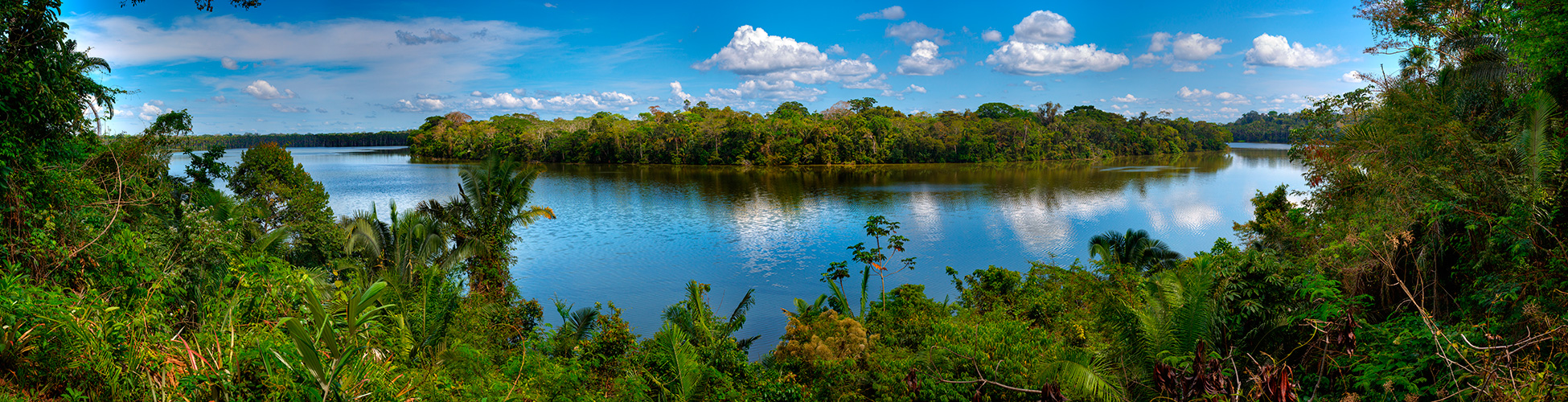
the Amazon rainforest

Alice C. Poirier


About me

I am a behavioral ecologist with an extensive interest in primate sensory ecology.
I am interested in how animals, in particular primates, use their sense of smell in social interactions and foraging activities. My research integrates diverse fields including animal behavior, biochemistry and evolution.

I have since taken an additional interest for olfactory communication in our own species; I am currently a postdoctoral scholar in the Development of Olfactory Communication & Cognition Lab at the Centre for Smell, Taste and Feeding Behavior Science in Dijon, France, where I study odors involved in maternal–infant communication as part of the Wellcome-funded Olfaction (WOlf) international project


Curriculum Vitae Publications


Current projects


THE WELLCOME OLFACTION PROJECT
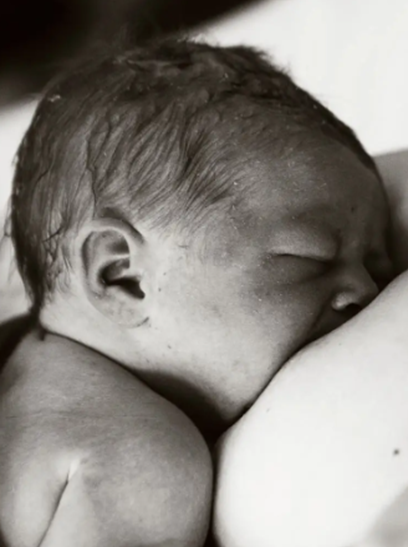

a newborn baby breastfeeding

Breastfeeding is vital for infant health and mother–infant bonding, but many families struggle to establish it successfully. As a result, exclusive breastfeeding rates remain low worldwide. In most mammals, smell plays a key role in helping newborns find and attach to the breast, yet this mechanism has been largely overlooked in humans. This project will investigate how maternal and infant odors influence breastfeeding, how these signals affect behaviour and physiology, and how cultural practices may support or disrupt them. By working with healthcare professionals and families, we aim to develop practical tools and guidance that make breastfeeding easier and more successful.


DEVELOPPING PORTABLE METHODS FOR CHEMICAL ANALYSES IN FIELD CONDITIONS
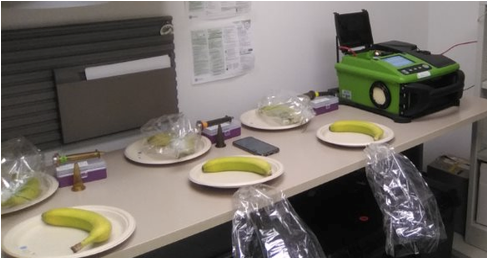

Using the Torion<sup>®</sup> portable GC-MS for <i>in situ</i> chemical analyses of fruit odors

Since 2017 I have been helping to develop a methodology for the use of the PerkinElmer Torion® portable gas chromatograph-mass spectrometer (GC-MS) in the field. This miniaturized GC-MS instrument was originally developed for screening specific volatiles in the fields of environmental science, food manufacturing and chemical warfare, but could prove useful to examine in situ wild animal scents.


Our applications have so far included:

  • Differentiating volatile organic compounds from scent-gland secretions of wild callitrichids
  • Investigating chemical cues of reproduction status in mice and primates
  • Exploring changes in tropical fruit odor in relation to their coloration and ripeness, and their use as primate food resource

SCENT-MARKING BEHAVIOR AND SEMIOCHEMISTRY IN NEOTROPICAL PRIMATES
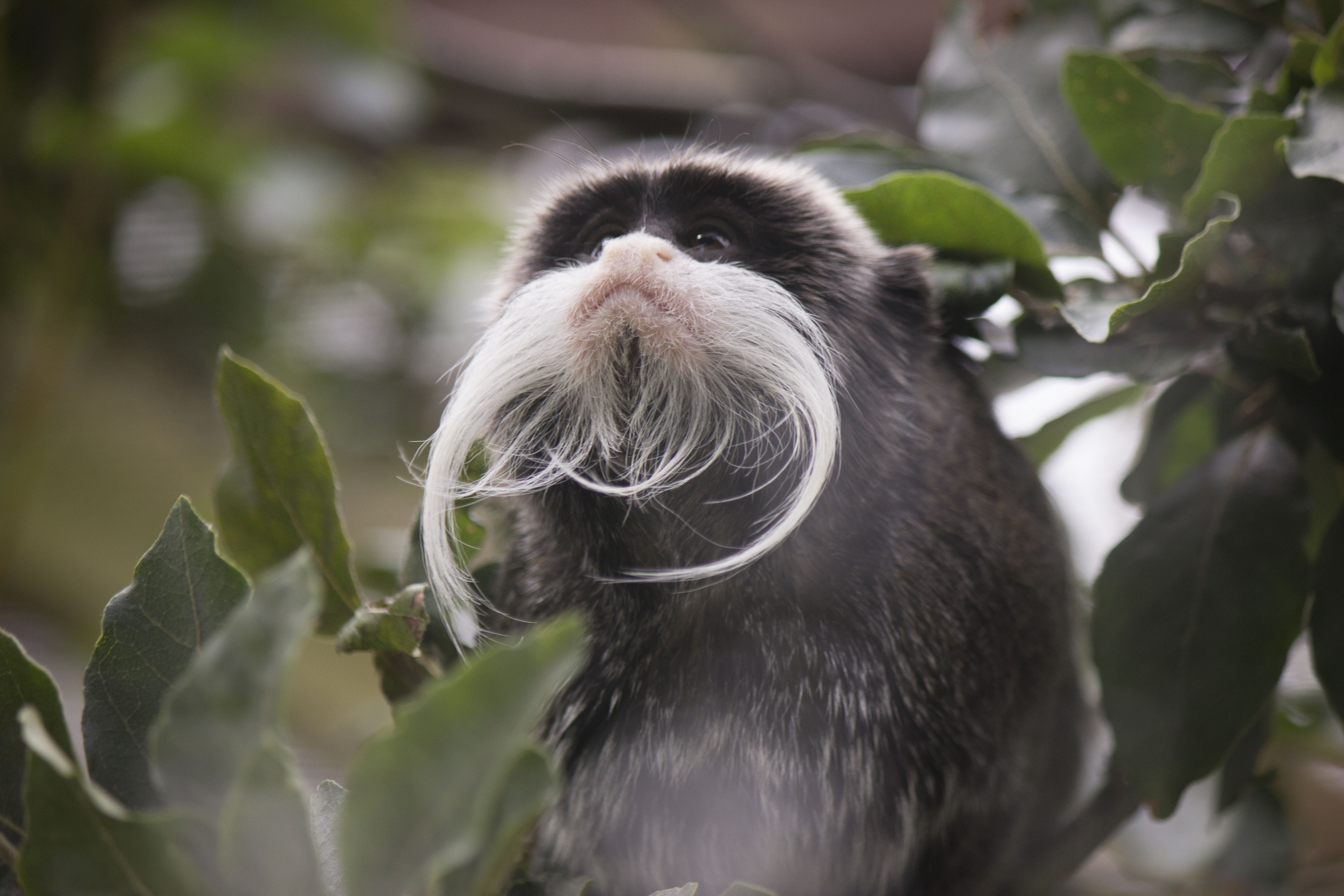

Emperor tamarin looking up

In 2019, I was awarded my PhD from the School of Life Sciences at Anglia Ruskin University, Cambridge, UK, entitled "Scent-marking behaviour and semiochemistry in the Callitrichidae".


Callitrichids (marmosets and tamarins) constitute a good model for the study of olfactory communication, as they make use of a range of odour signals. Callitrichids conspicuously deposit odorous secretions, produced by specialized scent-glands, on branches in their environment, a behaviour called scent-marking. I investigated how environmental, social, and reproductive aspects influence patterns of scent-marking behavior in callitrichids, as well as the chemical composition of scent-gland secretions and urine used to convey chemosignals. My results suggest that chemosignaling plays an important role in the advertisement of identity, reproductive status and dominance in this taxon. My study provides knowledge of mammalian olfactory communication systems, applicable to captive husbandry practices, including conservation breeding programs of rare species.

Download PhD thesis ARU Behavioural Ecology Research Group
Field work & courses

FIELD WORK IN THE PERUVIAN AMAZON

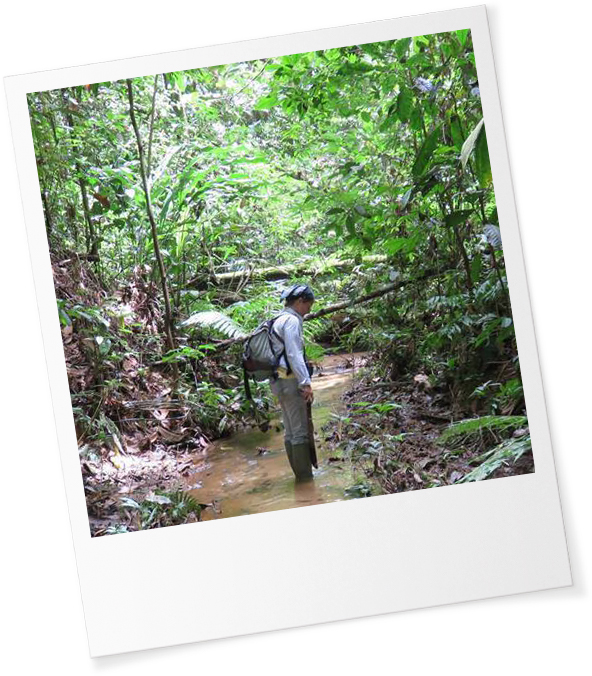
Standing in a stream

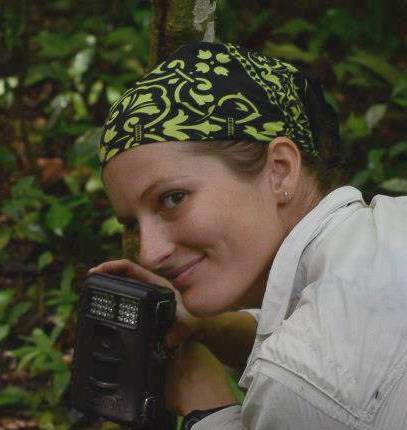
I enjoy field work a lot. Searching for traces of the animals' presence in the lush wildforest; following a troop of monkeys for so long that you can differentiate each animal's own personality and start thinking of yourself as a kind of family friend. Packing your backpack in the morning, wondering what new surprises the day will bring you and hoping you are not forgetting anything essential such as your snack or the extra bag of batteries for your GPS! Solving all sorts of technical difficulties as they come, with the means at hands. Making new friends from all over the World and sharing adventures. Field work is challenging, but immensely rewording.


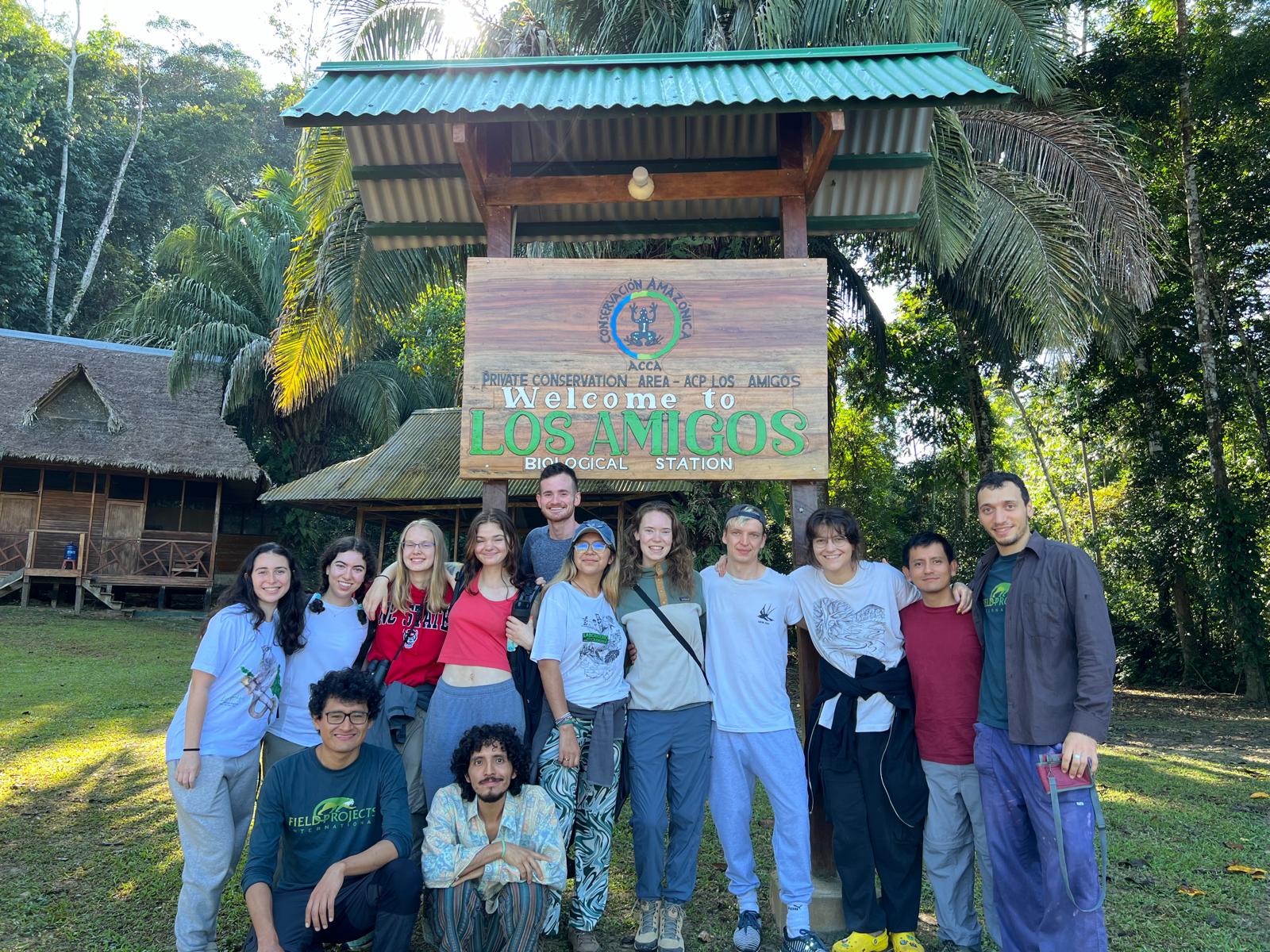
I have spent several years conducting field work and coordinating research assistants at remote field sites in the Peruvian Amazon, collaborating with several great organizations:

Young emperor tamarin
Field Projects International Field Projects International logo

"Our mission is to protect and study wildlife using hands-on education and innovations in conservation technology"


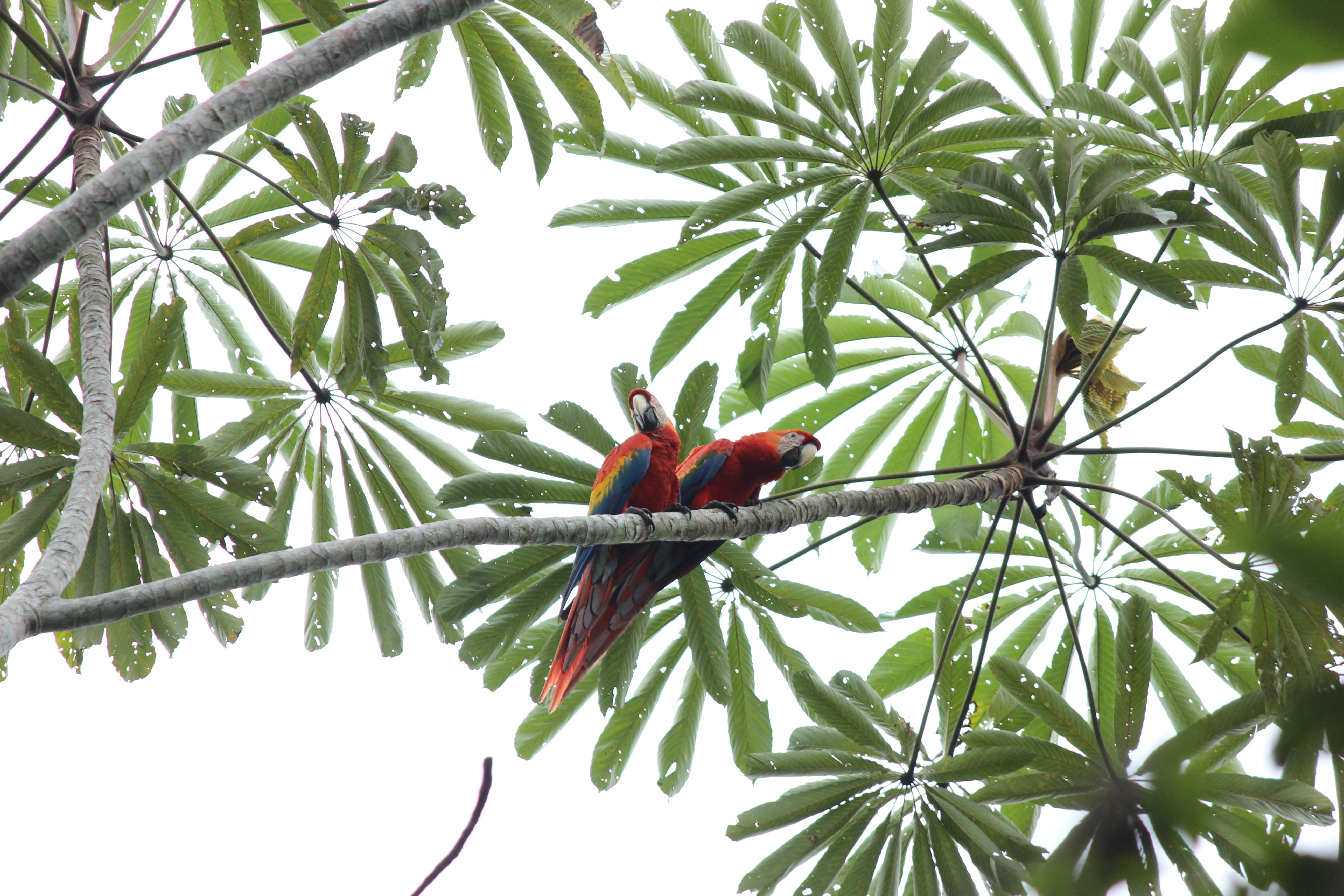
A pair of scarlet macaws in a tree
Amazon Conservation Association & Asociación para la Conservación de la Cuenca Amazónica
Amazon Conservation Association logoAsociación para la Conservación de la Cuenca Amazónica logo

"Uniting science, innovation and people to protect the Western Amazon"


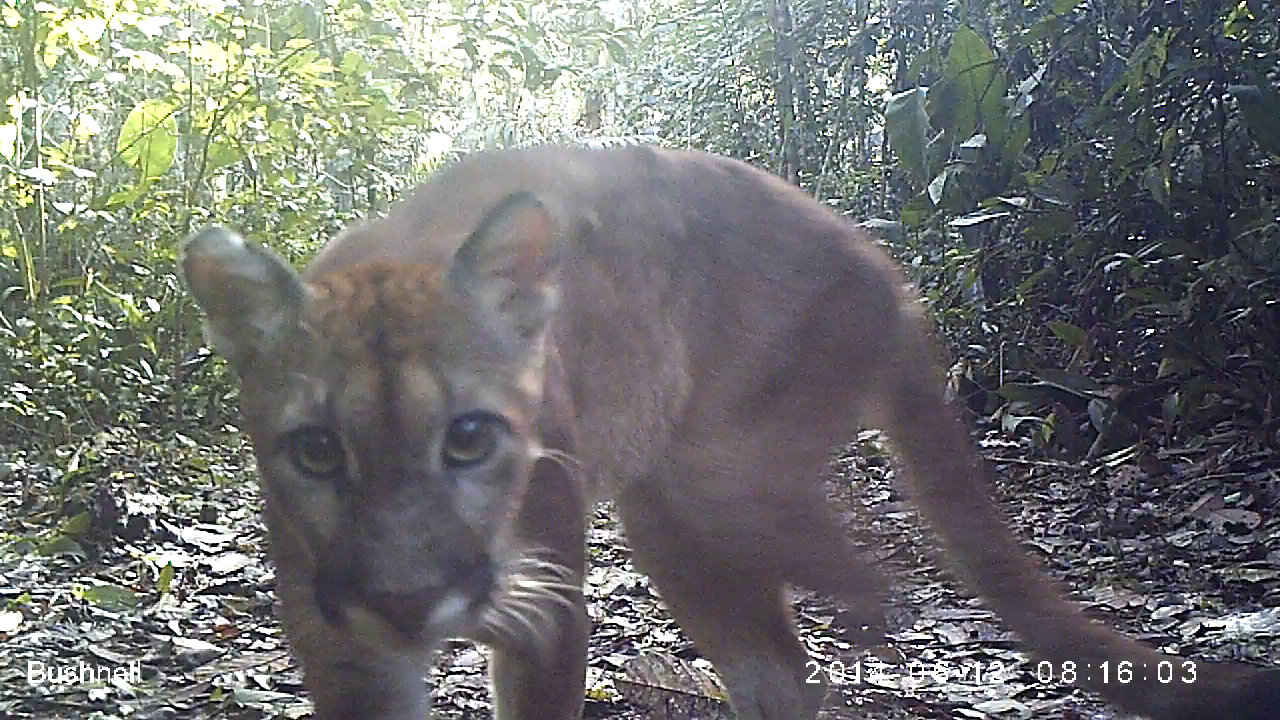
A puma on camera trap
Fauna Forever Fauna Forever logo

"Implementing nature conservation strategies, contributing to sustainable livelihoods, and improving our understanding of Neotropical ecosystems"


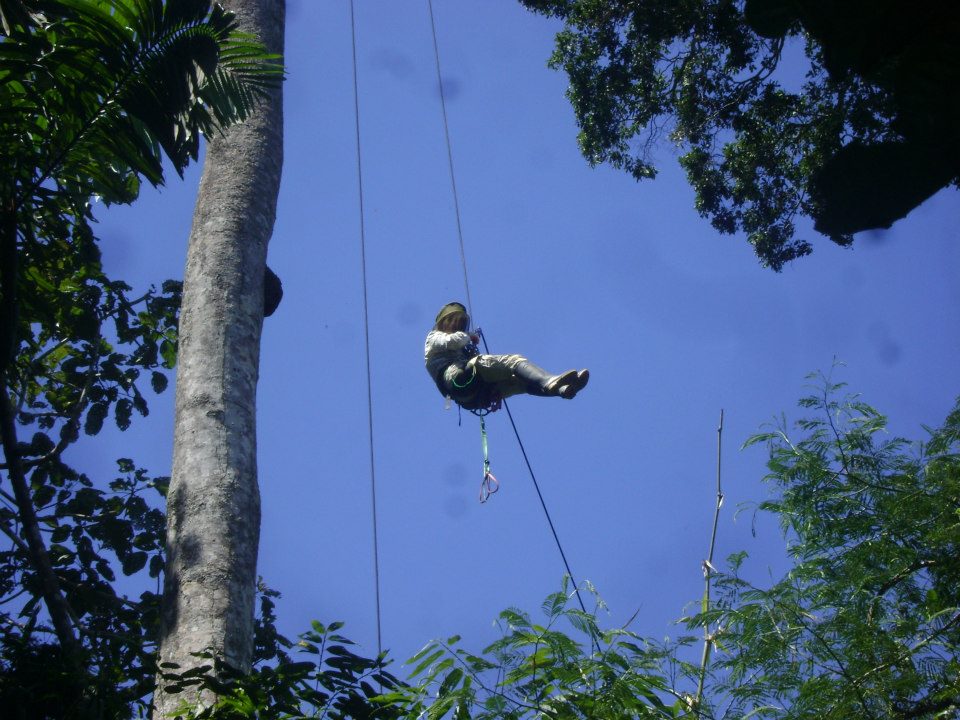
Tree climbing
WWF & San Diego Zoo Global Peru
WWF logo San Diego Zoo Peru logo

"Our mission is to save species worldwide by uniting our expertise in animal and plant care and conservation science with our dedication to inspiring passion for nature"


Contact

You can send me an email, or contact me via ResearchGate. Thank you!


Find me on ResearchGate